





All Season Tires or Winter Snow Tires?
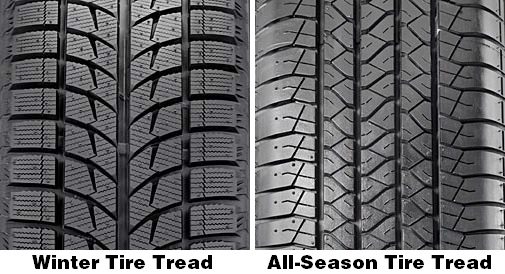
There are several factors to consider when deciding on all season tires or snow tires. When it comes down to it though, it really depends on where you live and what conditions you typically drive in year in and year out. For those of us who live in the Northeast and experience all four seasons, snow tires will most likely be your best bet.
All Season
All season tires get better fuel economy and are designed to perform in a variety of conditions like wet roads and light winter driving but will not handle as well in more extreme weather. They will not provide as much gripping and handling as you would receive with winter and summer tires but if the conditions don’t require it then all season tires will be fine.
Winter and Snow Tires
Winter and snow tires are designed to perform on all conditions that range from heavy snow fall to black ice. This is accomplished through tread rubber, tread depth, tires patterns and biting edges.
- Anyone who experiences cold enough temperatures is going to experience a stiffening of tread rubber in their all season tires as well as a decrease in tire pressure which decreases the amount of traction they will produce. Winter tires are build with a flexible tread rubber that will adjust itself to provide the best grip.
- Snow tires also have a deeper tread depth so it can allow for more snow build up without causing a decrease in performance. The different tread patterns on snow tires will channel snow and slush and will have the ability to expel water.
- Finally snow tires have more biting edges and high sipe densities which is essentially more slits along the tire treads to provide for more traction on ice.
Anyone who lives in the Northeast should seriously consider buying snow tires. Here they are more of a need than a want. It is also important not to keep snow tires on all year long or they will wear very quickly. Their material is not meant for dry conditions. It’s usually a good rule of thumb to put your snow tires on around Thanksgiving considering you never know how early the first snow fall will be. Snow tires tend to be switched out around Easter time or the end of March depending on how late Easter falls.
What to Consider Before Starting a DIY Project

DIY projects always seem like a great idea. It’s going to save me money and it’s going to feel good knowing I did it myself! Then in the middle of the project I usually realize I’ve gotten myself way in over my head and there is a very slim chance I’m going to be able to finish this. Has this happened to anyone else? If so, make sure you’re answering these five questions before starting your next project whether it be changing your oil, building your transmission or anything else.
- How long will it take? Do your research, see how much time that specific project normally takes a do-it-yourselfer. Make sure you have that time available in your schedule. Maybe it’s more beneficial to pay a professional to do it while you get other chores done. Finally, realize you are going to be out of a car until you get the project finished.
- Do you have the tools? Automotive repairs normally require a significant amount of special tools, most of which you will not find in your typical shed. These tools are going to cost a good amount of money and you’ll need to take the time to learn how to use them. It may not be worth it if you don’t find yourself needing these expensive tools for anything else.
- Do you have the space? If you live in an apartment complex, it’s going to be more difficult to get these kind of projects done. Without a garage, you’ll have to keep your car in the same spot for however long the job takes. You are going to have the equipment all over the place and people may need to take up the spots around you. Even with a garage, most of the time they are shared with other tenants or needed for extra storage. Unless you have your own garage with a good amount of space to maneuver, it is not going to be easy to get this job done.
- Do you know how to do it? Watch several tutorials about it on YouTube and scope it out. With each and every step, ask yourself if this is something you would be capable of. If any parts seem a little tricky or too complicated, it may be more beneficial to have a professional do it. A car is not something you want to do a botch job on!
- What are the risks of injury? Safety should always be the most important factor when thinking about starting a project. No project is worth a broken leg or a broken hand. There is a chance with these projects that the car can fall on you or the transmission can crush your hand. This could mean having to be out of work for several weeks which might make things difficult without that income.
When starting a DIY project make sure you are always being safe and smart about it. Have a bail out plan just in case things go awry. Have the phone number of a tow truck on hand. If you have answered all of these questions and still feel confident you can accomplish your project, good luck and have fun!
The Best Roadtrips Fall Has To Offer
Fall doesn’t just mean apple cider, halloween and pumpkin flavored everything but it also means watching the leaves turn beautiful colors! With Summer coming to an end, Fall is sneaking up fast. What better way to spend a weekend than on a road trip admiring the beautiful changing scenery? Although Upstate New York has so much to offer when it comes to leaves and nature and scenery, there are other areas that offer just as amazing views so why not get out and explore?
Forbes did a study where they ranked America’s Top Ten Prettiest Fall Drives:
- Route 168 – Sierra Nevada Mountains, California. With an elevation of 4,000 feet at the start, you’ll be able to get a great view of aspen, juniper and pine trees. It is best to go the last week of September and the first week of October.
- Route 100 – Green Mountains, Vermont. With a starting elevation of 1,000 feet , you’ll see maple, birch, beech, elm and ash trees. Go anytime in October to see the changing colors.
- Kancamagus Scenic Byway – White Mountains, New Hampshire. If you go early in October you’ll witness the various colors of maple, ash, oak, beech and birch trees.
- Columbia River Highway – Columbia River, Oregon. Drive these 80 miles between mid to late October and you’ll get a glimpse of bigleaf, maple, vine maple, cottonwood and Oregon ash trees. The canyon walls are 4,000 feet tall.
- Independence Pass – Rocky Mountains, Colorado. At an elevation of 12,095 feet, you will get a great view of cottonwood, poplar, aspen, oak, boxelder, birch and chokecherry. The best time to go is October.
- Newfound Gap Road – Great Smokey Mountains, Tennessee. With an elevation of 5,046 feet, you will see yellow birch, American beech, mountain maple, pin cherry, hobblebush, hickory, sweet gum and scarlet oak. Hit this road trip anywhere between October and November for the best views.
- Route 78 – Hocking Hills, Ohio. Here you will find a variety of oak, hickory, red maple, chestnut, mulberry, willow, birch, beech and walnut. The best time to go is mid-October.
- Route 113 – White Mountains, Maine. Drive these 55 miles in late September, early October and you will get the most beautiful views of basswood, beech, birch, butternut, elm, poplar, witch hazel, maple, sumnac and tupelo.
- Sugarloaf Road (SR 2012) – Ohiopyle State Park, Pennsylvania. Experience these 48 miles of red maple, silver maple, white ash, bigtooth, aspen, American chestnut and sycamore. The best time to go is in October.
- Cade’s Cove Loop – Great Smokey Mountains, Tennessee. For just 11 miles, you will be able to experience the most beautiful colors of birch, American beech, maple, cherry, hobblebush, hickory, sweet gum and oak. Go in November for the best views.
There has never been a better time for you to get out and explore this country. Hop in the car and hit the road, these views are worth it. There are places right outside of New York for you to experience if you’re not looking to go too far but there are also places across the country. Pick a place and go.
What Mom Means By “Drive Safe”
We’ve all heard the words “drive safe” when grabbing our keys and heading for the door. Of course we’re not hitting 90 on the highway and making lefts on red but there are many other factors that can cause accidents. While these factors may not seem like a big deal at the time, they are the ones that cause the greatest number of accidents on the roads today. Every time you find yourself behind the wheel, traveling out of the state or down the street, make sure you’re keeping these tips in mind:
- Stay alert When driving, make sure you are always observing your surroundings. By zoning out, your response time is going to decrease and it will also decrease your awareness. You should not be behind the wheel if you’re tired. Those who drive while drowsy are twice as likely to be involved in an accident than those who are awake and alert. If you do find your eyes drooping while your on the road, pull off somewhere and take a nap or make a pit stop for caffeine.
- Avoid distractions When driving, your attention should always be on the road ahead of you. It is so common to drive past another vehicle that may be swerving in and out of lanes or slowing down and speeding back up. While passing them, you’re most likely going to witness them eating, using their phone, checking on kids or maybe even trying to apply make-up! These cause for very distracted driving and if you put two of these drivers within a close enough proximity to each other, there is going to be a high chance of an accident. Stopping off for five or ten minutes is well worth a later arrival time if it means keeping your car intact and the people inside it safe.
- Create a buffer zone Tailgating is never the answer. As frustrated as you may get with a left lane driver who is not hitting the speed limit, tailgating them is just going to increase your chance of an accident. Be patient and keep enough space ahead of you in case the car has to stop short, you will still have enough time to stop without plowing into the back of their car. Accidents happen all the time and 9 times out of 10, none of the drivers involved saw it coming.
- Keep your hands on the wheel Whether your reaching for the bag of chips on the passenger seat or your dancing along to the music, there is never a time where a driver should take their hands of the wheel. Your tire could hit something you didn’t see or you may need to swerve out of the way of something, if your hands aren’t on the wheel, you will not be able to control the outcome of this situation.
- Adapt to weather conditions With fog, you’re going to want to drive at a slower rate than you normally would considering visibility is low so you may not see something in your way or the lines on the road. With rain or ice, you will want to be more cautious around turns, start making your stops way in advance and keeping it slow. With a bright, shining sun you will want to make sure you always keep sunglasses in the car and put the visors down.
- Communicate with others Signals should never be ignored. Any time you’re changing your position on the road, communicate with those around you and let them know what direction you’re headed. You can also use hand signals to show others where you plan on moving to. Also, giving a quick “Thank You” wave will not only show the other driver your appreciation but it will decrease the likelihood of creating an aggressive driver if they felt you may have cut them off.
- Don’t expect others to communicate with you Always be defensive while driving.If you notice a driver around you that is driving erratically, drifting, changing lanes without signaling or one who can’t keep a steady speed, keep as much space as you can between your vehicle and their’s until you feel you can safely pass them.
The next time mom tells you to “Drive Safe” realize that she is referencing these tips to be smart, alert and defensive when you are behind the wheel of a vehicle. Accidents don’t just affect you and your safety, it affects those around you who also have loved ones. As safety is most important, accidents are also going to cause a large amount of money to fix between insurance, repair bills or a purchase of a new car.
New Cars Need Careful Maintaining Too

Most new car buyers are unaware of these common mistakes made that can cause damage to the vehicle. Whether the adrenaline of being behind the wheel of a brand new vehicle has gotten to you and you’re hitting the gas petal a little too hard or you’re trying to get a better price on your regular maintenance checks by bringing it to an unqualified technician, you’re car is suffering. It may seem like a good idea now but it’s going to create problems in the long-run. Here are a few ways to avoid damaging your new car –
- Keep it clean. It’s new, it’s shiny so why worry about bringing it to the car wash? Well like our previous blog post has mentioned, dirt, bird droppings, gasoline, tree sap, etc. can eat away at your car’s paint if left on the car. By getting your car washed regularly, you will be able to get most of these elements off easily without any paint damage. Not only should you be keeping the body clean but it is important to take a wet rag and wipe down the engine bay from time to time. It’ll pay off when you try selling the vehicle, the buyer will want to pay top dollar as soon as they see the clean engine bay.
- Be gentle. You may be tempted to see how the new car runs which may cause you to be aggressive with the gas and the brake. Fact is, the first couple thousand miles of a car should be taken carefully without redlining and slamming on the brakes. This is going to cause your car’s performance to decrease more so than someone who treats it well. Also, don’t assume that because the car is brand new, you can wait a little longer for your first oil change. The first oil change is the most important and needs to be taken care of on time.
- Keep track. Make sure you’re taking any paperwork you receive from service appointments and put them away in a folder for future reference. When it comes time to sell the car, the buyer is going to want to know everything about it’s current condition. This paperwork will allow them to trust your car is still in good quality and may even result in getting more money for the car.
- Research your technician. If you’re paying higher monthly payments or your insurance increased with a new car, you may try saving money by getting routine maintenance done by someone who is offering cheaper prices. Where ever you schedule these appointments, make sure you’re researching the technician first to make sure they’re qualified and that they do quality work. Bringing it to someone who isn’t qualified will only cause you’re car more expensive problems because they’re using the guess and check method.
When buying a new car, make sure to treat it well so you don’t run into expensive problems down the road.
How To Save On Car Insurance
As long as you keep your driving record clean, you’ll always get the lowest car insurance rates. That is the common misconception we all believe to be true. The fact is though, it doesn’t matter how well you drive – it all depends on how well you pay your bills. Consumer Reports has recently done a study and found out that somebody with a DWI on their record is paying a significant amount less for insurance than someone who the insurance company feels has poor credit.
Defensive driving courses will also save a boat-load of money on car insurance year over year. This too is a common misconception, as it does save you money, it is only saving you somewhere around $97 every year. Here are some tips that will save you more money on your car insurance than you think:
- Shop around. Many people sign onto one insurance company and never look back. They renew with that same company for years and years without looking at quotes from other companies. J.D. Power conducted a U.S. Insurance Shopping Study in 2014 and concluded that “Drivers who switch to a new insurer average $387 in annual savings. Take an hour out of one day of every year and get quotes from 10 other insurance companies to see how much you could save. Remember, you do not have to wait until your car insurance is up in order to switch. If you pre-paid and want to switch to a different company, your current insurance company will have to reimburse you that money.
- Check your credit report for mistakes. If there are any, have it corrected and ask the insurance companies to score you again.
- Start shopping around a month or more before your policy expires, a gap in coverage can cost you.
- Make sure you’re asking the insurance companies what discounts you qualify for, a majority of life changing events will qualify you for certain discounts (getting married, changing professions, etc.)
So as you should continue to drive safely and keep your record clean, also keep in mind that there are other ways to keeping your car insurance rate low.
This Is Ruining The Paint On Your Car
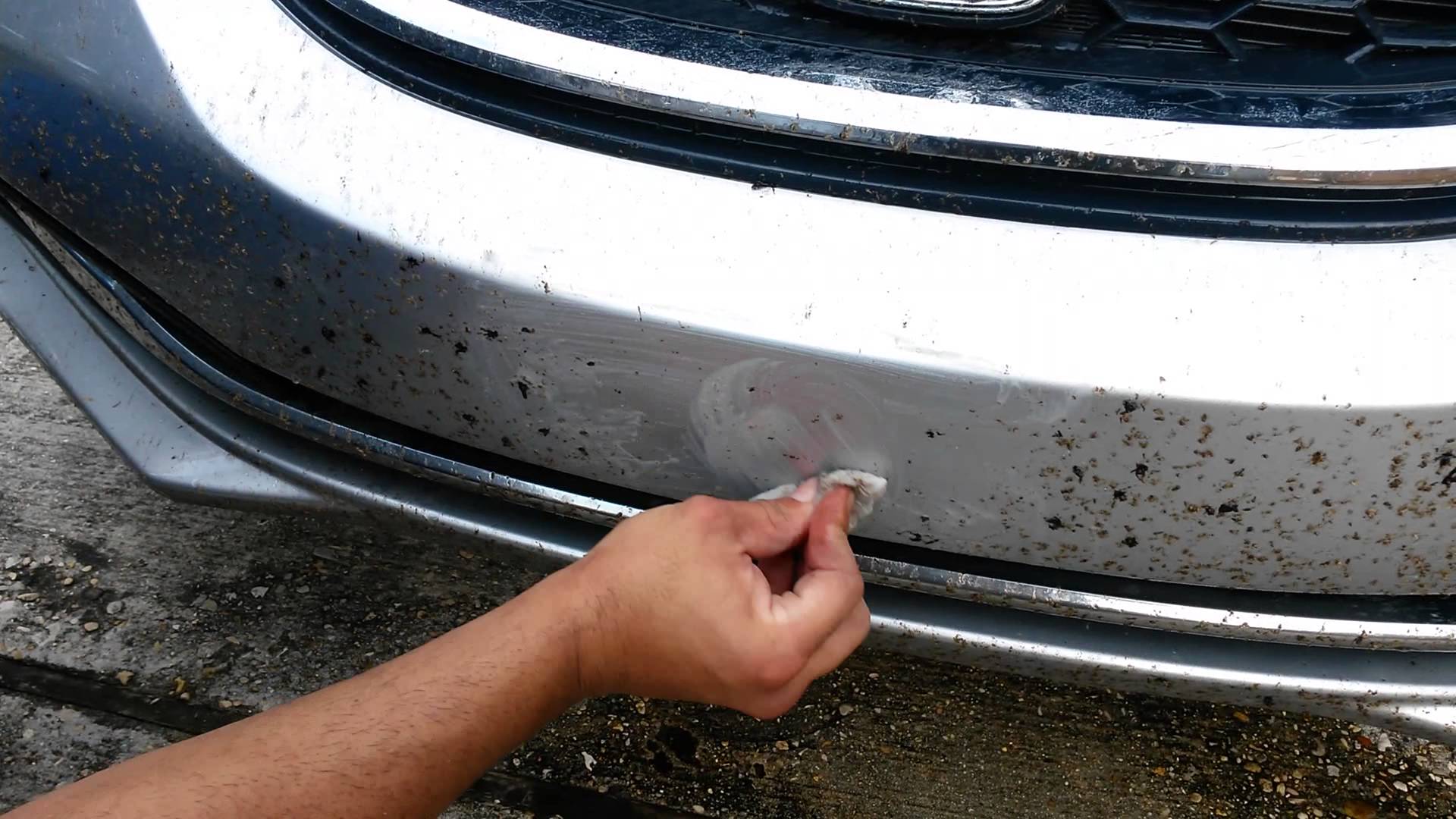
The paint on your car can be damaged by so many factors, many don’t even realize it. Dead bugs and bird droppings are more commonly known to ruin your paint but tar, tree sap, wildfires, gas from the pump, coffee/soda, dirt or lawn sprinklers can also do a great amount of damage to your vehicle’s paint job. The best way to protect your car from paint damage is to have it waxed at least once every 3 months. It’s not going to keep all of it off but it won’t be as easy for all of it to get stuck to your car, the small percentage of spills or droppings that do mark up your car will be easier to remove if it’s waxed. It is important to follow these steps to clean these markings off before they scratch your paint and eat through the coats:
- The most efficient way to get rid of these markings is to clean it as soon as you see it. If you’re able to attend to it quickly, all you need is a soft towel and a quick detailer and it should come right off. Taking quick action is also ideal because it will clean the mark without removing any existing wax.
- For markings that have had time to settle in, there are three different methods of cleaning:
- If it’s just one spot, you’ll want to consider a Bug remover. After you treat the spot, you should spray some wax over the area you just treated.
- Larger areas should be treated with a safe scrub bug sponge. While the car is soapy and sudsy, you should take this sponge and wipe the bugs off, for tougher areas you can use a boars head hair brush. After you have the whole area clean, you need to reapply wax to the entire area.
- Finally, you can use a detailing clay and a clay lubricant to wipe these marks up. For more than one mark, make sure to remodel the clay to make sure you’re using clean clay. This too will require some waxing afterwards.
Your car’s paint can be seriously damaged with any one of these factors and if left untreated, it can lead to an expensive touch up. Make sure you’re tending to these marks as quickly as you can to avoid a damaged paint job.
What Your Car Color Says About You

Today’s roads are made up of a lot of whites, blacks, silvers, grays and some reds. According to Business Insider, white takes the lead with most popular car color followed by black cars and then silver and gray. Whether it be that we feel the need to go conservative when it’s finally time to make a decision or we’re just too impatient to order the color we want and wait for it to come in or if we’re already concerned about the resale price of a not so modern color, we all have our reasons. These reasons though is what drives a great majority of us to play it safe with the sober colored vehicles. You may not realize it, but the main reason for the color car we buy is our personality type. According to Bankrate.com:
- White- clean and elegant. The main driving force behind this concept is Apple’s marketing of their products that portray a smooth white color combined with some metal and chrome accents.
- Black – power. Between the black tie events and the little black dresses, it is very common to see these powerful people (or their drivers) making their way through town in a sleek, stylish, black luxury car.
- Silver – innovation. Those of us intrigued by new technology and stainless steel appliances are going to be drawn to a silver car. These people are generally perceived as high class.
- Gray – under the radar. Although gray is very similar to solver, it isn’t as flashy. It’s more traditional, it’s more mature, perfect for someone who doesn’t like the spotlight.
- Red – ambitious. Someone with a red car might be full of confidence and full of fun, willing to make risks.
- Blue – practical. Blue cars can signify a happy, truthful, stable person. Blue projects stability. Experts say to expect an increase of them over the next couple of years.
- Brown – safe. Brown represents a calmer, more peaceful place. These people generally don’t care about what’s trending but instead care about what will be most valuable. Their though process is more about what car they can drive for a long time instead of what is in season.
- Yellow/Gold – happy. When people think yellow, they think big round smiley face. This color emits joy and a positive attitude.
- Green – nature. Became more popular during the launch of the go-green campaigns but have since been decreasing in sales.
- Orange – value. Those who are more worried about saving for the future and less about pampering themselves in the present might be more attracted to orange.
These studies are not 100% accurate but many of you might find yourself relating to the color of your car and the personality described for it. This may also help you in deciding what color you want your next car to be. Remember, for a stress-free car buying experience – choose the model that fits your needs first and test drive it, then find the dealership that treats you with the best deal and then choose from their inventory.
Heading on a Road Trip?
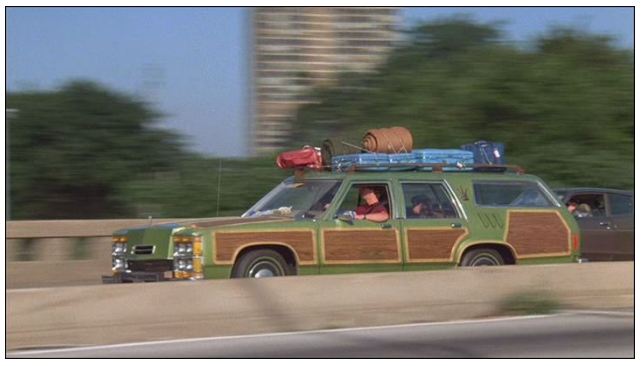
Do you have any summer vacations planned or do you have any road trips coming up? Your car is the most important piece of this trips so it is important to treat it as a priority. Make sure you’re taking all the right steps for a stress-free, smooth sailing vacation from the moment you leave the driveway to the moment you return. Here are some tips and tricks we suggest:
- Functionality. Check to make sure everything is functioning correctly and all fluid is filled. Make sure your windshield wipers aren’t streaking and your windshield wiper fluid is filled. Also, if you’re due for an oil change or tire rotation soon, you should schedule a service appointment before you leave.
- Battery life. Having a dead battery during vacation can certainly kill your vibe which is why you should look out for these warning signs before leaving:
- The engine is taking longer than usual to turn over
- Your check engine light could mean problems with your battery
- Battery fluid is low (look for a translucent area of the casing to check fluid level)
- A very swollen battery case could mean the battery has gone bad
- A very foul smell around the battery means the battery needs some cleaning or your car may not start
- If you’ve had the same battery for more than 3 years, it is a good idea to have it checked on a yearly basis
- If you do not know how old your battery is, you can check the code on the cover of the battery case. The first letter shows the month, the number that follows indicates the year.
- Status of Tires. Before leaving for a road trip make sure you take a look at your tires to see if there are any tears or bulges on the side wall. Also, check the treads to make sure there is still enough there to create traction in case it rains. Finally, find out what the pressure of your tires are suppose to read (you can typically find this on the inside of the drivers door) to make sure your tires are ready to hit the road.
- Brake. With any road trip normally comes traffic. Stop by your local mechanic and have them look at your brake pads so you can brake easily with any amount of traffic.
- Emergency kit. Your car should have an emergency kit in it at all times. This kit should include a flashlight, a blanket, a phone charger, a first aid kit, basic tools and some water and snacks. Hopefully you’ll never have to use them, but play it safe and keep it in your car.
- Load capacity. On the inside of the drivers side door you should be able to find the load capacity your car allows for. This number includes both luggage and passengers so make sure you don’t go over. Also, when using roof-top cargo, you should only be packing light, bulky items in these. Having a heavy load on top of the car will not only decrease fuel efficiency but it will also make for more difficult handling of the vehicle.
- GPS. Although some may prefer to use maps or printed directions, a GPS is useful in that it can find local gas stations and restaurants along the way. A GPS can also detect upcoming traffic and re-route to a different way that doesn’t have as much traffic. Some systems can even send emergency help to your location if you need it.
- Kids. If you are traveling with kids in the car, make sure to pack enough entertainment to keep them occupied. Whether it be books, movies, video games or card games – driving is much less stressful with quiet, content children. You’ll also want to make sure to pack enough snacks and water to keep them full.
- Follow the rules of the road and be patient with any traffic you hit. If you find you become more frustrated and more aggressive with the increase of traffic, consider leaving before the sun rises or after rush hour that way you are less likely to hit the more intense traffic throughout the day.
We encourage you to follow all of these steps to ensure for an easy, laid back road trip. Have a great time on vacation!
What Do I Do After I’ve Been In An Accident?
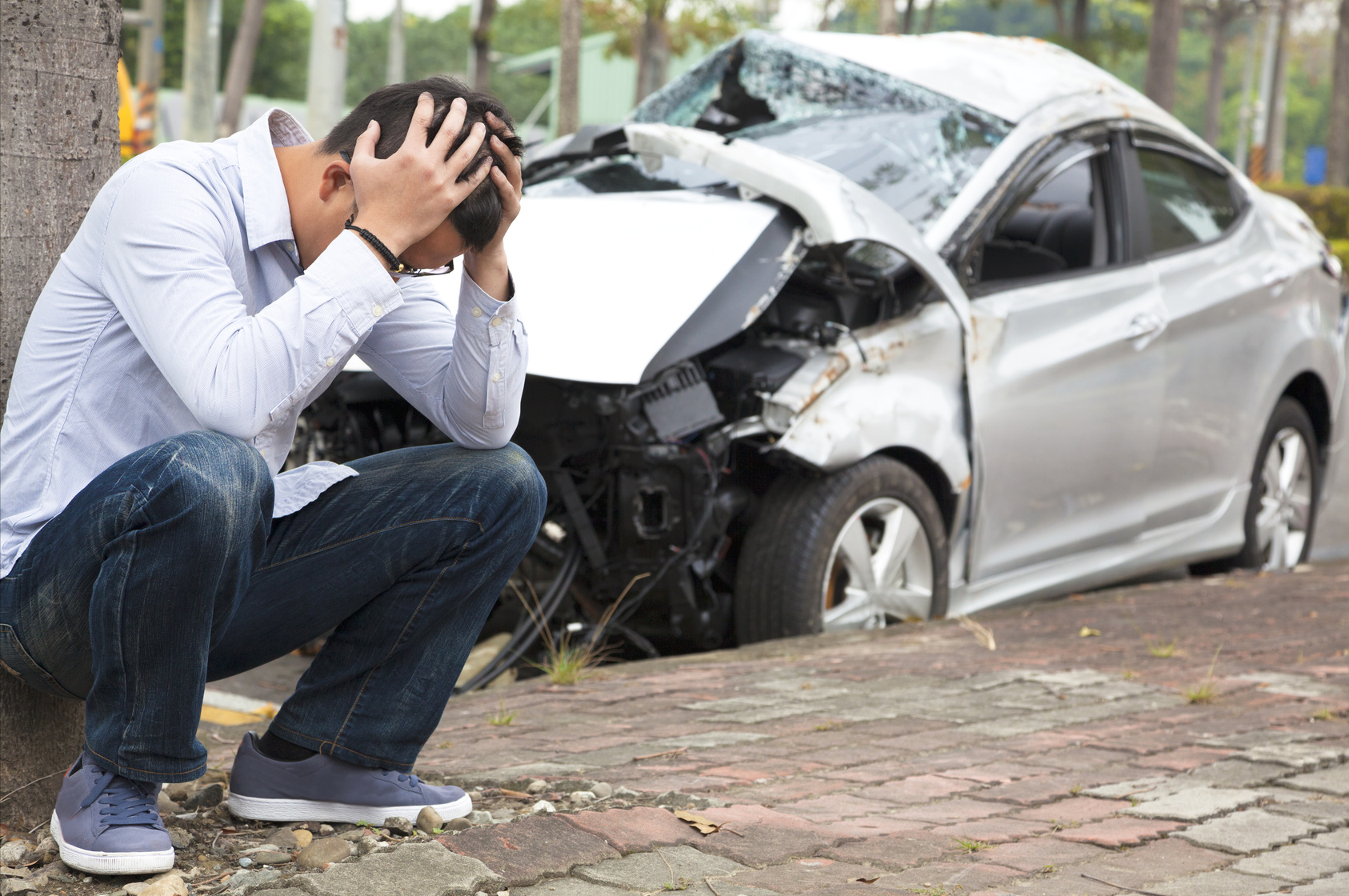
It’s hard to think clearly after being in an accident. As you may know, there are many steps to take but most are forgotten or ignored due to priority of checking to make sure everyone is okay. It may not seem important in the moment but later on when it comes to accident reports, insurance and claims, these steps are crucial in saving you time and money. As you may not know, there is an app for that!
There are a variety of free apps to choose from that will help walk you through the process of creating hazard signals, collecting information needed and taking pictures to document. Many of the apps even offer an option to call for local help, some even go as far as to offer the form for the accident report. ConsumerReports.org took some time to research 2 of the more popular apps and reveal their findings:
The two apps share many similarities as they both have an option to pre-load things like emergency contact information, personal data, vehicle make and model as well as insurance information. Each of them also have the ability to keep track of where you are based on your GPS location. They will both provide you with a list of steps to take and the order in which you should take them. Their accident report screens are easy to fill out as they provide you with the fields you need to complete about your vehicle and the other drivers involved.
Car Accident Report takes it a step further by accessing your iPhone camera to take pictures of the scene and include them in the report. Users of Help I Crashed My Car benefit from this app by receiving links to nearby auto body shops and rental car companies.
While they both provide a great amount of useful information, sometimes it’s too much information. The overwhelming amount of information makes for a smaller font and much more time spent reading. With the adrenaline pumping through your veins and the million of other things consuming you at that very moment, it’s going to make it nearly impossible for you to read. We would suggest reading through all of it now so you have an idea of what to expect.
A more recent study done by a law group in the California/Nevada area suggests Accident Wizard. While this free app provides many of the same things as all the other ones provide, this one is like on-star in that it provides on-the-scene, live assistance to those involved in a car accident. The live assistance is free to anyone on this app. Accident Wizard also allows users to scan their license, insurance card and vehicle registration to store in case it is needed in the future. it can even send your information to the other drivers of the crash with just one touch.
As we hope you never have to use any of these apps, we encourage you to download one of them, upload all your necessary information to it and read up on it so you can be better prepared.


