




Goldstein Auto Group

Blog / Automotive Tips

Fall Can Make For Dangerous Driving Conditions
fall-road

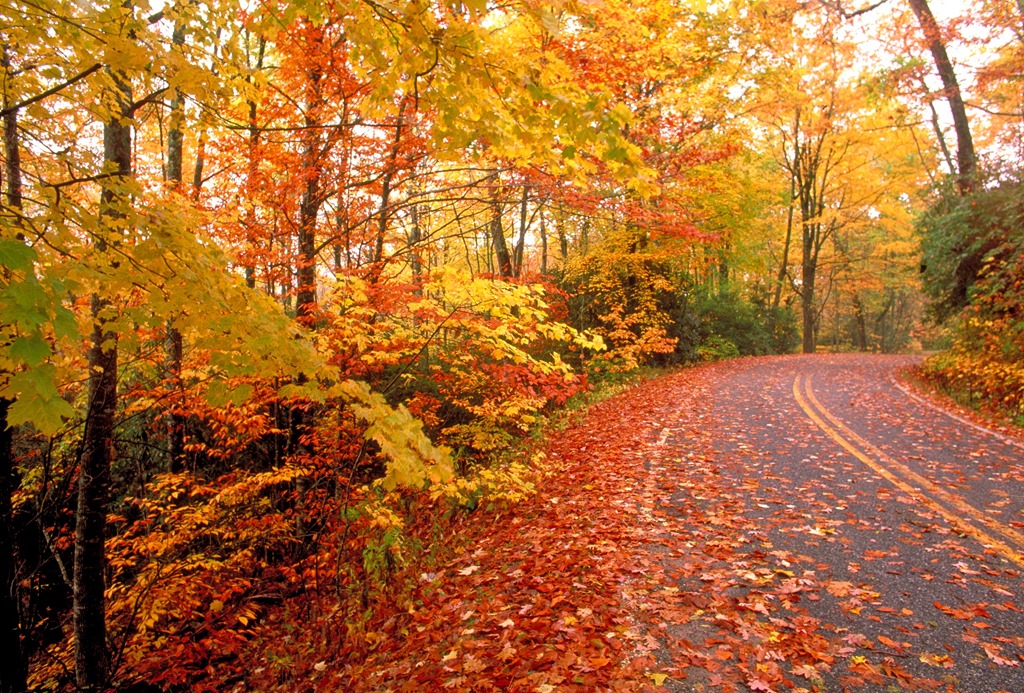
Many welcome Fall with it’s pumpkin flavored everything, it’s endless sweaters, it’s cooler temperatures, it’s apple picking and much more. What people don’t realize though is with Fall weather conditions come dangerous fall driving conditions to watch out for. Between the leaves changing colors and the lower temperatures, there is a lot to look out for when driving.
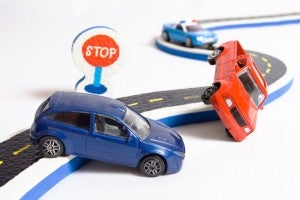
  • The first rainfall after a significant period of dry, humid days is going to make for very slippery roads. It mixes with all the dust and oils that have accumulated over time and can leave you slipping and sliding if you’re not careful.
  • The leaves are going to start to fall and litter the roadways. Not only can these leaves cover road markings and make them hard to read but they may also cover potholes in the roads that can lead to damage to your vehicle if you drive over them.
  • There will be an increase of traffic when school starts back up after summer vacation. Make sure to leave a little earlier to get from point a to point b to avoid stressing over being late or getting frustrated and creating road rage. Remember to always bring your vehicle to a stop when there is a school bus with it’s lights flashing, no matter what lane you are in or what side of the road you are on.
  • There are going to be drivers who will be distracted by the changing of the leaves colors. Expect to see some of them slow down or even come to a stop on the side of the road to take pictures.
  • The cool fall mornings are going to create fog so it’s best to keep a distance between the cars around you to avoid any accidents. Make sure not to use your high beams for it will only bounce off the fog and make it even harder to see, instead use the low beams.
  • Temperatures will drop overnight which is going to cause frost on windshields. It will also make for more slippery bridges and overpasses. Driving before the windshields have been defrosted can be very dangerous.
  • The sun is going to be rising setting earlier. It will make for more difficult driving to and from work because the angles are going hit your windshield and/or rearview mirror with such intensity while rising and setting on your way to and from work. Keep a pair of sunglasses in the car.
  • Look out for deer! It’s their mating season so they are likely to be out and about much more often. Keep your eyes peeled at night when your driving around areas that may have them.
  • Wash the inside and outside of your windshield or the glare from the sun is going to make it even more difficult to see with a dirty windshield instead of a clean, streak-free one.
  • Tires are known to lose pressure with the introduction of lower temperatures. Fill up your tires and keep checking them.
While the conditions aren’t quite as bad as they will be in the winter, these conditions still deserve enough attention to make sure everyone is educated on them. It can decrease accidents on the roadways if people know what to look out for and what precautions to take.
Posted in:

Related Posts

auto-insurance

The Inside Scoop on Auto Insurance Coverage and Discounts

Between all the misconceptions about Auto Insurance and the helpful details people don't know about it, there is much to learn before buying a car or choosing a provider. The type of car you have, the features of the car, the engine of the car are all going to affect your insurance rates but color does not matter. For some reason, people choose to believe that a red car is going to land you with more tickets and in fact raise your insurance rates, it's not true - the color of your car will not play a role in your payments. People also tend to believe that auto insurance is going to pay for any automotive repairs they have, unfortunately this is not true either. So what is true? As long as you don’t have the base liability insurance, your insurance will cover your car even if you were the one that caused the accident. Collision insurance is usually optional but it will cover you if you’re at fault. Most people don’t know what ‘totaled’ means. Totaled means your car has been damaged in an accident and it is either beyond repair or the cost of repairing it is greater than what it’s actually worth. Your insurer will give you as much as the car was worth before the accident happened, not the post-crash value. Although auto insurance covers a large variety of unplanned costs, it will not cover anything that may have been stolen if your car was broken into. With that being said, if you have homeowners insurance, those items will typically be covered under that policy. Bundling your insurance packages and adding anyone in your household who is of driving age will usually lead to lower costs. Although it’s always smart to still shop around and get at least 3 other quotes before committing to one company. For some more useful information, go to http://www.dfs.ny.gov/insurance/cauto.htm While the lowest rates play a huge role in which company you end up picking, you should also research to see what their customer service is like. When you are dealing with your insurance after an accident, you will want to speak with someone who is going to handle it the most efficiently. If you’re looking to buy a new car, there are several factors that will affect your insurance. The price of the vehicle, how much it typically costs to have repaired, safety records, likelihood of it being stolen, high end cars come with high insurance costs, bigger motors mean more horsepower which will mean bigger rates, sports cars will have higher insurance prices, your age, your driving record and where you live will all affect your insurance quote. Where you live will greatly impact your insurance. Those who live in major cities with a significant amount of traffic like New York City or within a one hour radius of it, like Long Island, are going to pay much more for insurance than people who live in Upstate New York and drive through empty back roads. The closer you live to work, the lower your insurance costs are going to be. If you drive less than the average amount expected each year, you will qualify for cheaper rates. The cleaner your driving record is, the less you will have to pay on insurance. Taking a defensive driving course can decrease your rates up to 10%! Paying a higher deductible means more will be covered which will save you much more money in the long run if you end up getting in an accident. The better your credit score is, the lower your rates will be. The more safety features you add to your car, the better your insurance rates will be. Every ten years, the insurance rates should decrease on a vehicle so you’ll want to check to make sure this is happening if your car is over 10 years old. Paying in full will save you more money than paying month by month. There are a number of discounts that many insurance companies offer but many don’t know about. Here are just a few - teens with good grades, college-age drivers that attend school 100+ miles from home, being over the age of 50-55, being retired, business group members, alumni groups, professional associations, group plans offered through work. The company that offers the largest discounts may not be the ones offering the best price. Sometimes it’s the companies that offer the least amount of discounts that have the lowest rates because they have it so low already they cannot afford to give away any more savings. It is also good practice to shop around at the end of each year, loyalty does not come with any kind of savings with insurance companies. Do your research, shop around and shop for take advantage of discounts.

c022ad296cf622d5c0536abb22462e47x

All Season Tires or Winter Snow Tires?

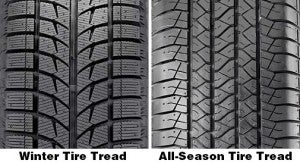
There are several factors to consider when deciding on all season tires or snow tires. When it comes down to it though, it really depends on where you live and what conditions you typically drive in year in and year out. For those of us who live in the Northeast and experience all four seasons, snow tires will most likely be your best bet. All Season All season tires get better fuel economy and are designed to perform in a variety of conditions like wet roads and light winter driving but will not handle as well in more extreme weather. They will not provide as much gripping and handling as you would receive with winter and summer tires but if the conditions don’t require it then all season tires will be fine. Winter and Snow Tires Winter and snow tires are designed to perform on all conditions that range from heavy snow fall to black ice. This is accomplished through tread rubber, tread depth, tires patterns and biting edges. Anyone who experiences cold enough temperatures is going to experience a stiffening of tread rubber in their all season tires as well as a decrease in tire pressure which decreases the amount of traction they will produce. Winter tires are build with a flexible tread rubber that will adjust itself to provide the best grip. Snow tires also have a deeper tread depth so it can allow for more snow build up without causing a decrease in performance. The different tread patterns on snow tires will channel snow and slush and will have the ability to expel water. Finally snow tires have more biting edges and high sipe densities which is essentially more slits along the tire treads to provide for more traction on ice. Anyone who lives in the Northeast should seriously consider buying snow tires. Here they are more of a need than a want. It is also important not to keep snow tires on all year long or they will wear very quickly. Their material is not meant for dry conditions. It’s usually a good rule of thumb to put your snow tires on around Thanksgiving considering you never know how early the first snow fall will be. Snow tires tend to be switched out around Easter time or the end of March depending on how late Easter falls.

tried-to-fix-a-car1

What to Consider Before Starting a DIY Project

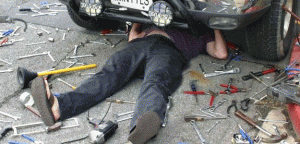
DIY projects always seem like a great idea. It's going to save me money and it's going to feel good knowing I did it myself! Then in the middle of the project I usually realize I've gotten myself way in over my head and there is a very slim chance I'm going to be able to finish this. Has this happened to anyone else? If so, make sure you’re answering these five questions before starting your next project whether it be changing your oil, building your transmission or anything else. How long will it take? Do your research, see how much time that specific project normally takes a do-it-yourselfer. Make sure you have that time available in your schedule. Maybe it’s more beneficial to pay a professional to do it while you get other chores done. Finally, realize you are going to be out of a car until you get the project finished. Do you have the tools? Automotive repairs normally require a significant amount of special tools, most of which you will not find in your typical shed. These tools are going to cost a good amount of money and you’ll need to take the time to learn how to use them. It may not be worth it if you don’t find yourself needing these expensive tools for anything else. Do you have the space? If you live in an apartment complex, it’s going to be more difficult to get these kind of projects done. Without a garage, you’ll have to keep your car in the same spot for however long the job takes. You are going to have the equipment all over the place and people may need to take up the spots around you. Even with a garage, most of the time they are shared with other tenants or needed for extra storage. Unless you have your own garage with a good amount of space to maneuver, it is not going to be easy to get this job done. Do you know how to do it? Watch several tutorials about it on YouTube and scope it out. With each and every step, ask yourself if this is something you would be capable of. If any parts seem a little tricky or too complicated, it may be more beneficial to have a professional do it. A car is not something you want to do a botch job on! What are the risks of injury? Safety should always be the most important factor when thinking about starting a project. No project is worth a broken leg or a broken hand. There is a chance with these projects that the car can fall on you or the transmission can crush your hand. This could mean having to be out of work for several weeks which might make things difficult without that income. When starting a DIY project make sure you are always being safe and smart about it. Have a bail out plan just in case things go awry. Have the phone number of a tow truck on hand. If you have answered all of these questions and still feel confident you can accomplish your project, good luck and have fun!