





Jul 20, 2015
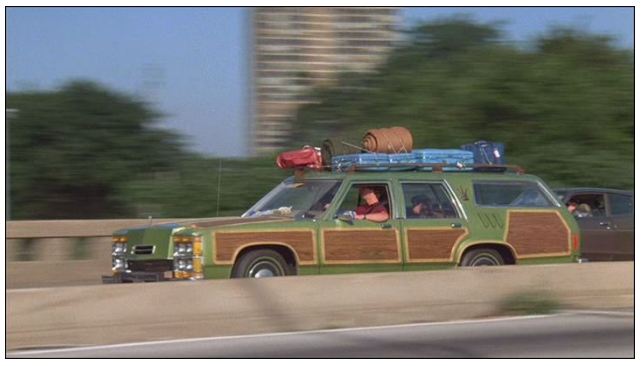
Do you have any summer vacations planned or do you have any road trips coming up? Your car is the most important piece of this trips so it is important to treat it as a priority. Make sure you’re taking all the right steps for a stress-free, smooth sailing vacation from the moment you leave the driveway to the moment you return. Here are some tips and tricks we suggest:
- Functionality. Check to make sure everything is functioning correctly and all fluid is filled. Make sure your windshield wipers aren’t streaking and your windshield wiper fluid is filled. Also, if you’re due for an oil change or tire rotation soon, you should schedule a service appointment before you leave.
- Battery life. Having a dead battery during vacation can certainly kill your vibe which is why you should look out for these warning signs before leaving:
- The engine is taking longer than usual to turn over
- Your check engine light could mean problems with your battery
- Battery fluid is low (look for a translucent area of the casing to check fluid level)
- A very swollen battery case could mean the battery has gone bad
- A very foul smell around the battery means the battery needs some cleaning or your car may not start
- If you’ve had the same battery for more than 3 years, it is a good idea to have it checked on a yearly basis
- If you do not know how old your battery is, you can check the code on the cover of the battery case. The first letter shows the month, the number that follows indicates the year.
- Status of Tires. Before leaving for a road trip make sure you take a look at your tires to see if there are any tears or bulges on the side wall. Also, check the treads to make sure there is still enough there to create traction in case it rains. Finally, find out what the pressure of your tires are suppose to read (you can typically find this on the inside of the drivers door) to make sure your tires are ready to hit the road.
- Brake. With any road trip normally comes traffic. Stop by your local mechanic and have them look at your brake pads so you can brake easily with any amount of traffic.
- Emergency kit. Your car should have an emergency kit in it at all times. This kit should include a flashlight, a blanket, a phone charger, a first aid kit, basic tools and some water and snacks. Hopefully you’ll never have to use them, but play it safe and keep it in your car.
- Load capacity. On the inside of the drivers side door you should be able to find the load capacity your car allows for. This number includes both luggage and passengers so make sure you don’t go over. Also, when using roof-top cargo, you should only be packing light, bulky items in these. Having a heavy load on top of the car will not only decrease fuel efficiency but it will also make for more difficult handling of the vehicle.
- GPS. Although some may prefer to use maps or printed directions, a GPS is useful in that it can find local gas stations and restaurants along the way. A GPS can also detect upcoming traffic and re-route to a different way that doesn’t have as much traffic. Some systems can even send emergency help to your location if you need it.
- Kids. If you are traveling with kids in the car, make sure to pack enough entertainment to keep them occupied. Whether it be books, movies, video games or card games – driving is much less stressful with quiet, content children. You’ll also want to make sure to pack enough snacks and water to keep them full.
- Follow the rules of the road and be patient with any traffic you hit. If you find you become more frustrated and more aggressive with the increase of traffic, consider leaving before the sun rises or after rush hour that way you are less likely to hit the more intense traffic throughout the day.
We encourage you to follow all of these steps to ensure for an easy, laid back road trip. Have a great time on vacation!


